บทความล่าสุด
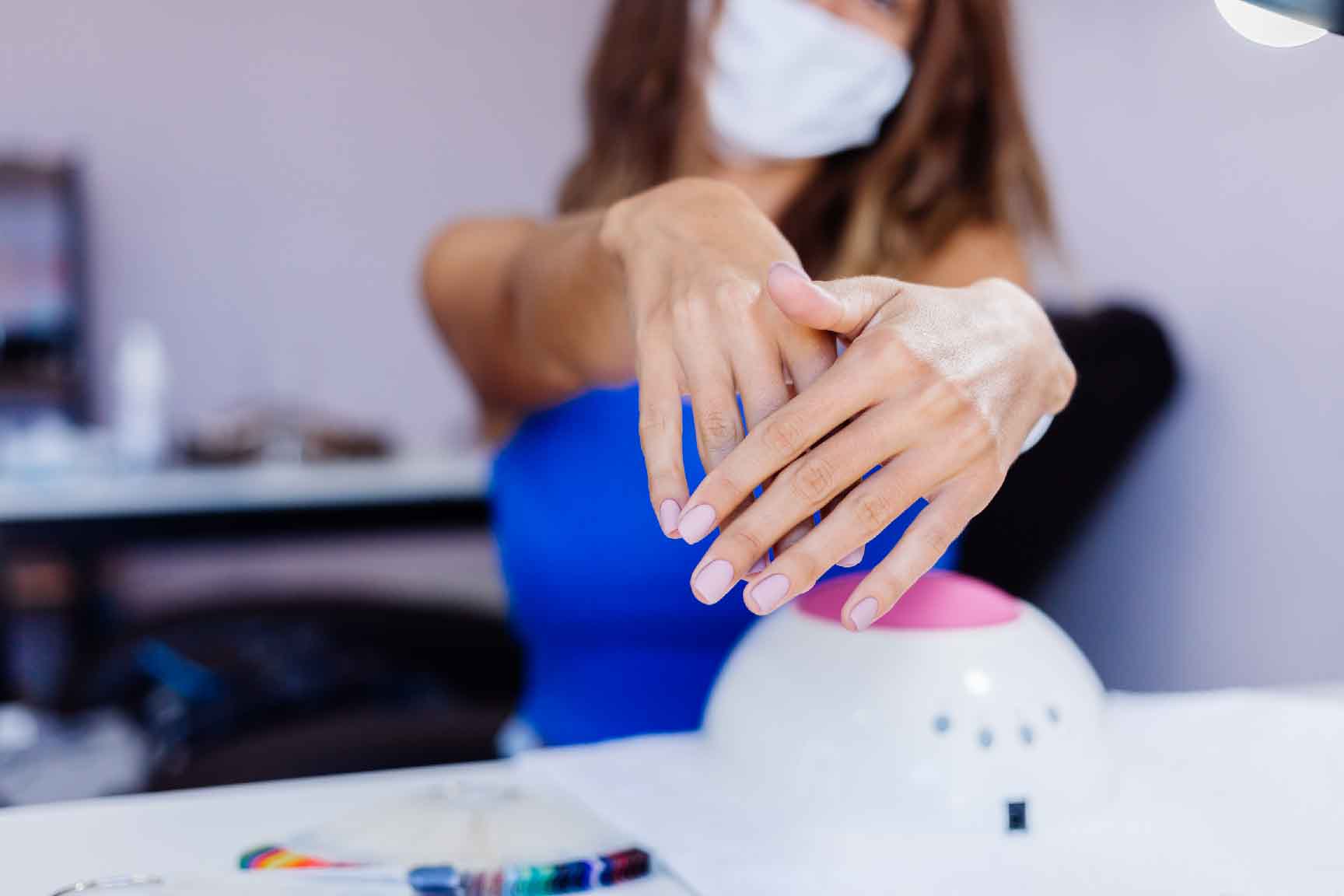


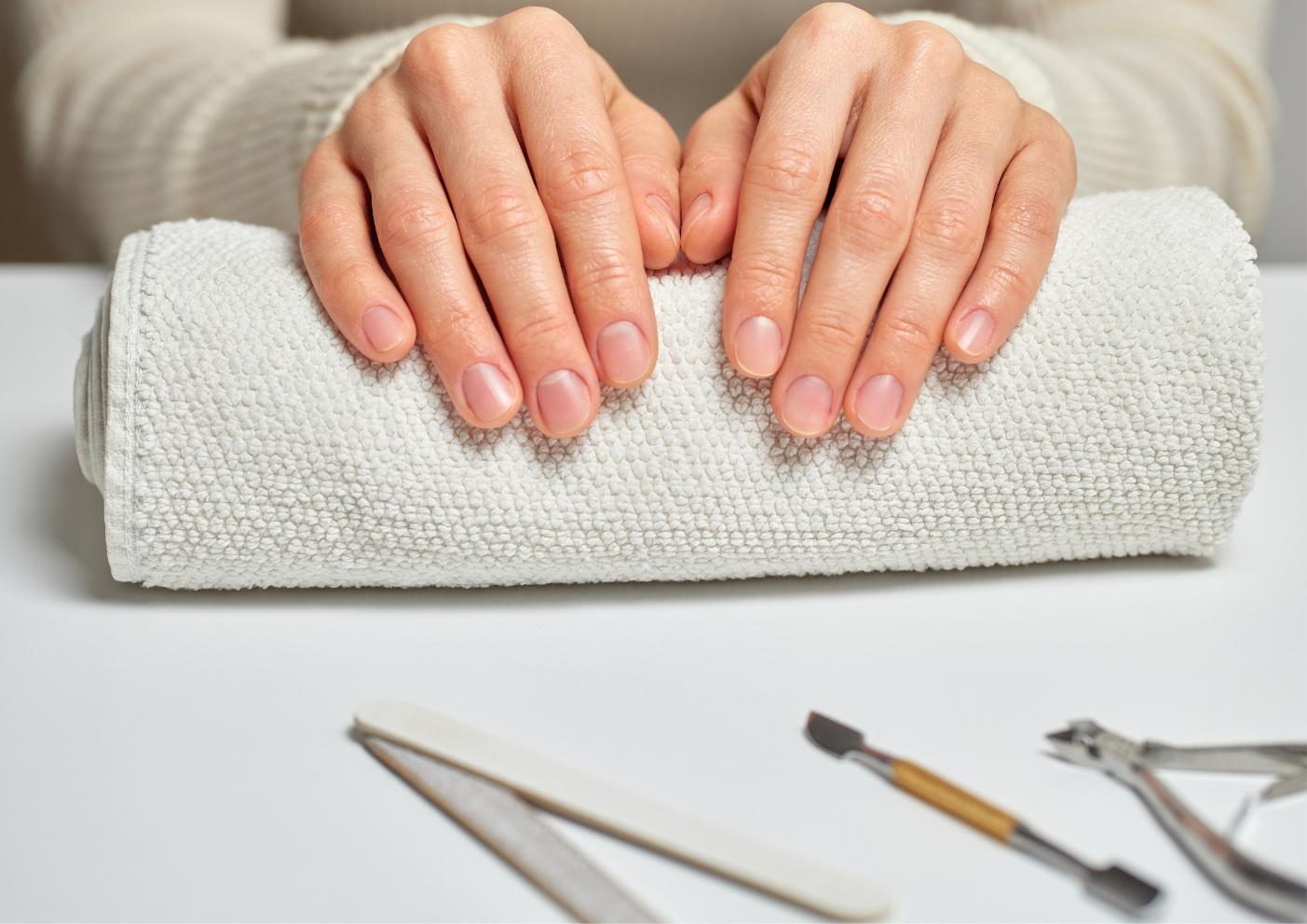
ใครที่ชอบทำเล็บสวยเป็นประจำคงรู้ดีว่าความรู้สึกดีหลังออกจากร้านนั้นสุขใจแค่ไหน แต่รู้ไหมว่าในบางครั้งสิ่งที่ติดกลับบ้านมาด้วยอาจไม่ใช่แค่สีเล็บสวยงาม แต่เป็นเชื้อราหรือแบคทีเรียที่แอบมาโดยไม่รู้ตัว
ไม่ได้มาขู่ให้กลัว แต่อยากให้ทุกคนดูแลตัวเองได้ฉลาดขึ้น เพราะแค่รู้จักสัญญาณเตือนเหล่านี้ก็ช่วยปกป้องเล็บและผิวของคุณได้มากแล้ว

ทำไมร้านทำเล็บถึงเป็นแหล่งสะสมเชื้อโรคได้?
ร้านทำเล็บเป็นสถานที่ที่มีการสัมผัสทั้งผิวหนัง เล็บ และเครื่องมือต่างๆ ซ้ำกันหลายสิบคนต่อวัน อุปกรณ์ที่ไม่ผ่านการฆ่าเชื้ออย่างถูกต้อง รอยถลอกเล็กน้อยจากการตะไบหรือตัดหนังเล็บ หรือแม้แต่น้ำในอ่างแช่เท้าที่ล้างไม่สะอาดพอ ทั้งหมดนี้คือช่องทางที่เชื้อรา แบคทีเรีย และไวรัสใช้เข้าสู่ร่างกายได้โดยตรง และที่น่าเป็นห่วงที่สุดคืออาการมักไม่ปรากฏทันที บางครั้งใช้เวลาเป็นสัปดาห์กว่าจะรู้ว่ามีปัญหา
5 สัญญาณอันตรายที่ต้องระวัง

1. เครื่องมือไม่ผ่านการฆ่าเชื้อหรือไม่มีบรรจุภัณฑ์ปิดสนิท
นี่คือสัญญาณที่ชัดเจนและสำคัญที่สุด ร้านที่ได้มาตรฐานจะนำอุปกรณ์ออกมาจากถุงซีลหรือกล่องฆ่าเชื้อต่อหน้าลูกค้าทุกครั้ง ถ้าคุณเห็นช่างล้างตะไบเล็บด้วยทิชชู่แล้วนำไปใช้ต่อ หรืออุปกรณ์วางกองรวมกันโดยไม่มีการคัดแยกระหว่างใช้แล้วกับใหม่ ให้ถือว่านั่นเป็นสัญญาณเตือนที่ควรพิจารณาใหม่ว่าจะทำต่อหรือไม่
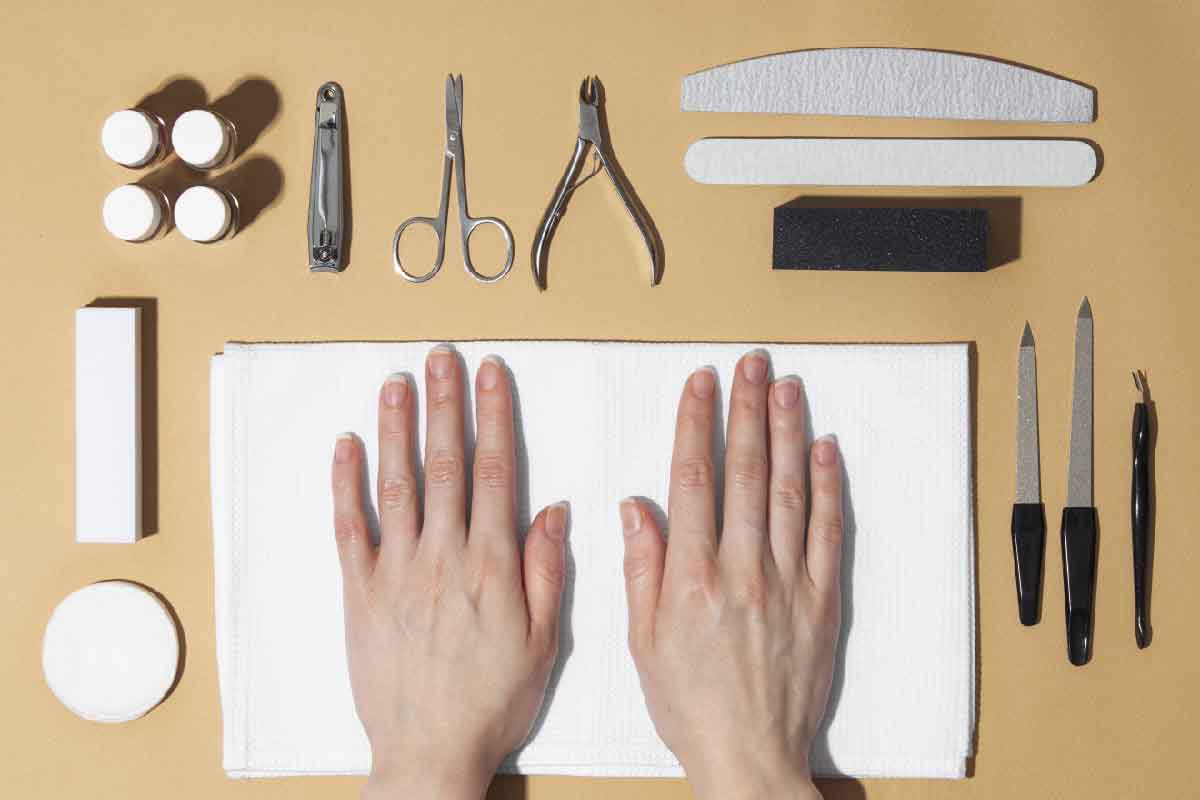
อุปกรณ์ที่เสี่ยงที่สุดได้แก่ นิปเปอร์ตัดหนังเล็บ ตะไบโลหะ และที่ขูดส้นเท้า เพราะสิ่งเหล่านี้สัมผัสกับผิวหนังและเลือดโดยตรง

2. อ่างแช่เท้าที่ไม่สะอาดหรือมีคราบสกปรก
อ่างแช่เท้าเป็นหนึ่งในจุดที่เสี่ยงที่สุดในร้านทำเล็บ เพราะน้ำอุ่นเป็นสภาพแวดล้อมที่เชื้อราและแบคทีเรียชอบมาก ร้านที่ดีควรเปลี่ยนน้ำและล้างทำความสะอาดอ่างทุกครั้งระหว่างลูกค้า พร้อมใช้น้ำยาฆ่าเชื้อตามมาตรฐาน
สัญญาณที่ควรระวังคือ อ่างที่มีคราบเหลืองหรือดำ น้ำที่ขุ่นหรือมีกลิ่น และช่างที่ไม่ได้ล้างอ่างระหว่างลูกค้าแต่ละคน ถ้าคุณสังเกตเห็นสิ่งเหล่านี้ การแช่เท้าในวันนั้นอาจไม่คุ้มกับความเสี่ยงที่ตามมา

3. ช่างทำเล็บไม่สวมถุงมือ
ถุงมือไม่ได้มีไว้แค่ป้องกันช่าง แต่ยังป้องกันลูกค้าด้วย การสัมผัสโดยตรงระหว่างมือช่างกับเล็บและผิวหนังของคุณ โดยเฉพาะเมื่อมีรอยถลอกเล็กน้อย คือช่องทางแพร่เชื้อที่ตรงไปตรงมา
บางร้านอาจมีเหตุผลว่าใส่ถุงมือแล้วทำงานไม่ถนัด แต่ถ้าพูดถึงในแง่ความปลอดภัย การสวมถุงมือควรเป็นมาตรฐานขั้นต่ำที่ทุกร้านทำได้และควรทำ

4. ร้านมีกลิ่นแรงผิดปกติและการระบายอากาศไม่ดี
กลิ่นน้ำยาเล็บและสารเคมีในร้านทำเล็บเป็นเรื่องปกติ แต่ถ้ากลิ่นแรงจนรู้สึกแสบจมูก แสบตา หรือหายใจไม่ออก นั่นบอกว่าร้านมีการระบายอากาศที่ไม่เพียงพอ
นอกจากจะไม่ดีต่อสุขภาพทางเดินหายใจแล้ว ร้านที่อับชื้นและอากาศไม่ถ่ายเทยังเป็นสภาพแวดล้อมที่เชื้อราเจริญเติบโตได้ดีมาก โดยเฉพาะในบริเวณที่มีความชื้นสูงอย่างโซนทำเล็บเท้า

5. พนักงานไม่ล้างมือหรือเปลี่ยนถุงมือระหว่างลูกค้า
ลองสังเกตดูว่าช่างล้างมือก่อนเริ่มทำให้คุณไหม? มีการเปลี่ยนถุงมือใหม่หลังจากทำให้ลูกค้าคนก่อนเสร็จหรือเปล่า? ถ้าคำตอบคือไม่ นั่นคือสัญญาณที่ไม่ควรมองข้าม
สิ่งที่ติดมือช่างจากลูกค้าคนหนึ่งสามารถถ่ายทอดไปยังอีกคนได้ในเวลาไม่กี่วินาที การล้างมือที่ถูกต้องใช้เวลาแค่ 20 วินาที แต่ช่วยได้มากมาย
อาการเบื้องต้นของเชื้อราที่เล็บที่ควรรู้จัก
ถ้าหลังทำเล็บแล้วสังเกตเห็นเล็บเปลี่ยนสีเป็นเหลือง น้ำตาล หรือขาวขุ่น เล็บหนาขึ้นหรือเปราะผิดปกติ มีกลิ่นเล็กน้อยที่บริเวณเล็บ หรือผิวรอบเล็บบวมแดงโดยไม่มีสาเหตุ ให้รีบปรึกษาแพทย์ผิวหนังโดยเร็ว เพราะการรักษาเชื้อราที่เล็บยิ่งเร็วยิ่งดี และไม่ควรปล่อยทิ้งไว้จนลุกลาม
เลือกร้านทำเล็บอย่างไรให้ปลอดภัย?
การเลือกร้านที่ดีไม่ใช่เรื่องยาก แค่ใช้เวลาสังเกตสักนิดก่อนนั่งลง ร้านที่ดีจะมีใบรับรองหรือใบอนุญาตติดไว้ในที่ที่มองเห็นได้ อุปกรณ์จะถูกเปิดจากบรรจุภัณฑ์ปิดผนึกต่อหน้า และช่างจะล้างมือหรือเปลี่ยนถุงมือก่อนเริ่มทุกครั้ง
ถ้าคุณทำเล็บบ่อยๆ การพกอุปกรณ์ส่วนตัวอย่างตะไบและนิปเปอร์ไปเองก็เป็นวิธีที่ปลอดภัยที่สุดวิธีหนึ่งเลย และถ้าร้านไหนทำให้คุณรู้สึกไม่มั่นใจ การลุกขึ้นบอกว่าขอไม่ทำแล้วเป็นสิทธิ์ที่คุณมีเต็มๆ ไม่ต้องรู้สึกผิดเลย
เพราะเล็บสวยที่มาพร้อมกับสุขภาพที่ดีนั้นคุ้มค่ากว่าเสมอ ดูแลตัวเองให้ดีก่อนนะคะ แล้วเล็บสวยจะตามมาเองอย่างแน่นอน